If you’re reading this, there's a pretty decent chance you've tapped your way through some kind of idle game on your phone during the morning commute, lunch break, or maybe even late at night. These super accessible hyper casual games have quietly exploded in popularity—and no one’s exactly sure when they started taking over our home screens.
What Are Idle Games Anyway? A Casual Player’s Primer
Let’s clear up some misconceptions right from the start: idle games are different than standard video games.
- No long grinding sessions required
- You can progress just by doing basically… well… nothing
- Loved by players with short attention spans and irregular schedules
- Evolving beyond their simple beginnings in recent years (seriously!)
| Game Type | Taps Needed | Possible Play Time per Day (min.) | Skill Involved |
|---|---|---|---|
| Casual | >10 per minute | 60+ | Moderate |
| Hardcore | N/A | Determined By Player Skill | Very High |
| Idle | Virtually Zero Once Launched | Better if Left Untouched For Long Periods | Minimal |
Why The Global Gaming Market is Going Nuts for Base Builders
In many ways, idle base building titles such as "Clash of Clans" offer a compelling twist to traditional gaming narratives. Here, your role becomes less like a soldier charging into battle and more like a CEO making smart infrastructure choices.
"It gives people that dopamine hit without demanding too much upfront."
Familiar Examples People Might Already Recognize:
- Tropico Mobile - Build An Island Empire With Minimal Input Over Time.
- Retro City Base Wars: Combining Retro Pixels with Auto Building.
The Rise You Didn’t Expect But Definitely Noticed In Passing

This genre didn’t burst into popularity overnight—it creeped into our pockets. From quirky browser titles like Universal Paperclips, it transitioned into massive apps available across mobile markets globally—from Mexico City down past Panama. In Latin American countries particularly including Costa Rica, idle-style titles found strong traction among younger audiences and aging adults seeking stress free entertainment options. Let's break down how these seemingly boring apps became must-download content:
- Zero barriers-to-entry gameplay loops,
- Budget conscious development allowing low price tags,
- Affordable yet rewarding premium upgrade systems (gotta keep developers eating!),
You're Gunning at This Moment: Hidden Revenue Behind Freeplay Titles
Businesses Profit While Gamers Feel Like Heroes
You probably clicked ads thinking, yeah what harm is going to come of a quick spinwheel pop up while I build my digital castle or whatever nonsense I’m doing here. Well companies figured it out—and fast. * Ad revenue + optional microtransactions has made developing new hyper casual experiences both easy & profitable.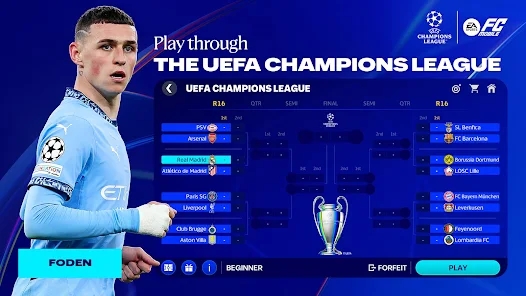
Remember That One Game Your Friend Said Made Him Cry? Yeah Probably Not Something You'd Find Among Idle Genres—but Don’t Underestimate the Emotional Attachment They Can Inspire Anyway.
Fast Fun, Serious Numbers
| Type Of App | % Mobile Share Downloads (US/CostaRica) |
|---|---|
| Hip Hop Music Apps (like Spotify/Tidal etc) | ≈18% US ≈8-9 % Costa Rica (depending region) |
| Romance Novels / Reading | ≈.3 % |
| Rhythm Based/Instrument Simulators | ≈.1 % Max |
| IDLE APPS DOMINATING THE RANKING CHART! |
Gameplay Loops Explained—Why Are Players Glued In Even Without Active Controls?
The idle format leans into psychological principles in subtle, sneaky ways:- Self-Directed Motivation:
- You start something knowing full-well there's no rush finishing. You're in charge
- Incremental Growth Patterns
- Even small achievements feel satisfying because everything builds toward larger eventual wins (like saving money but more exciting?)
- Gamification Without Effort
- You literally gain rewards sometimes just for remembering where your old app was buried on the second screen somewhere